

In petrochemical plants, the valve system is an indispensable part of the overall infrastructure. It plays a crucial role in controlling the flow, pressure, and direction of various fluids, which is directly related to the safety, efficiency, and stability of the production process. This article will provide a comprehensive guide on how petrochemical plants can smoothly and effectively promote valve system construction.
Read More
In the construction of petrochemical and chemical enterprises, valve systems play a pivotal role. They are crucial for controlling fluid flow, pressure, and temperature, ensuring the safe and efficient operation of the entire production process. This article will provide a detailed analysis of one-stop solutions for valve systems in these enterprises, covering valve selection, installation, maintenance, and intelligent upgrades.
Read More
In industrial and municipal infrastructure, old valves are often a source of inefficiency and safety risks. As these valves age, they can suffer from wear and tear, corrosion, and outdated design features that compromise their performance and pose potential hazards. This article will explore comprehensive strategies for upgrading old valves to improve both their operational performance and safety standards, incorporating relevant product - related keywords naturally.
Read More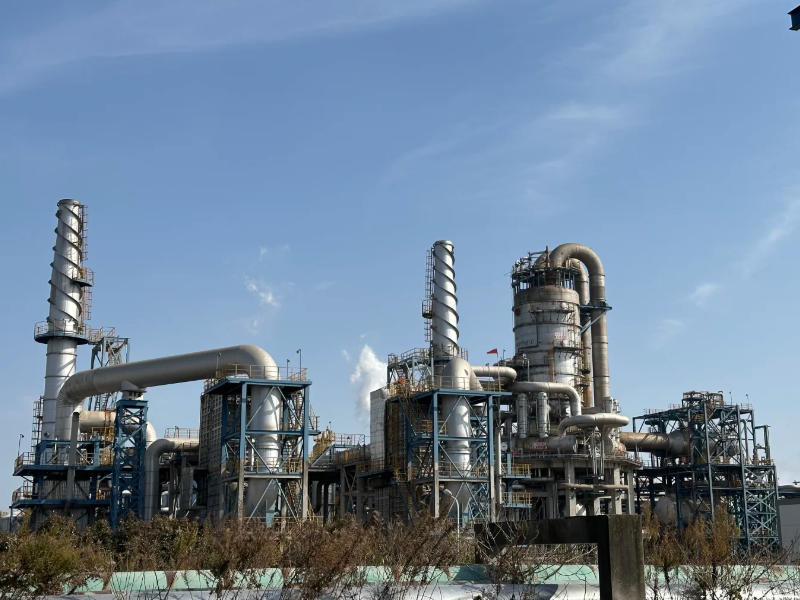
In industrial piping systems, valves play a critical role in controlling the flow of liquids, gases, and slurries. Choosing the right valve type for specific flow control requirements ensures system efficiency, safety, and longevity. An incorrect selection can result in excessive wear, energy loss, or even operational failures. This article provides a comprehensive guide on how to select the right valve type for flow control in industrial piping, highlighting key considerations and best practices.
Read More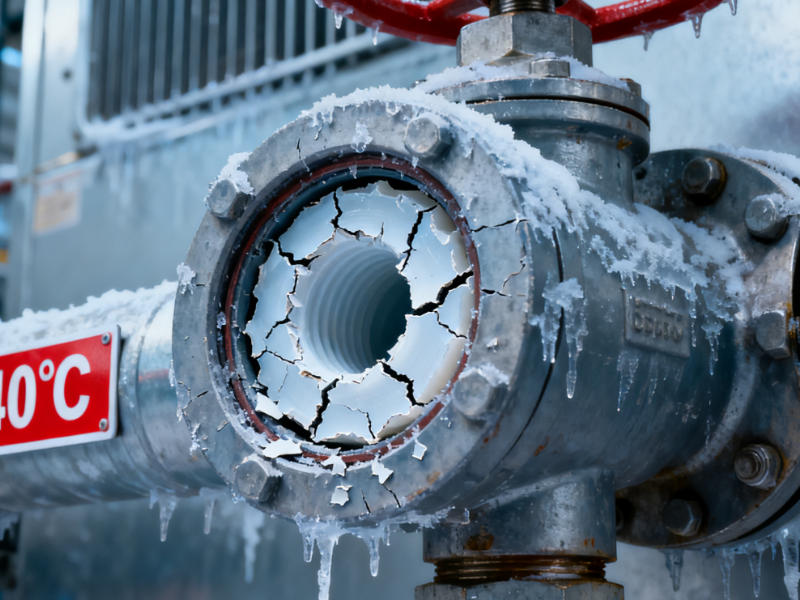
Low-temperature applications, such as liquefied natural gas (LNG) processing and cold chain logistics, demand specialized valves capable of operating reliably under extreme conditions. Cryogenic valves are critical components in these industries, ensuring safe and efficient handling of gases and liquids at extremely low temperatures, often below -162°C. Choosing the right valve and understanding proper usage are essential for operational safety, equipment longevity, and compliance with industry standards. This article provides a comprehensive guide on cryogenic valve selection and usage for LNG and cold chain applications.
Read More
Valves are critical components in chemical plants, regulating the flow of gases, liquids, and slurries in complex processing systems. Proper operation and maintenance of valves directly affect plant safety, efficiency, and production quality. Different chemical products, such as fertilizers, synthetic ammonia, and ethylene, have unique process requirements that influence the selection, operation, and maintenance of valve systems. This article provides a comprehensive guide on valve system operation and maintenance for various chemical production processes, highlighting best practices and key considerations.
Read More
In the food and pharmaceutical industries, choosing the right valve is crucial for maintaining product quality, safety, and operational efficiency. Valves are essential components in processing systems, controlling the flow of liquids, gases, and semi-solids. Selecting valves that meet industry-specific standards ensures compliance with hygiene regulations, minimizes contamination risks, and enhances process reliability. This article provides a comprehensive guide on food and pharmaceutical valve selection standards, highlighting key considerations and best practices.
Read More
Refineries play a critical role in converting crude oil into valuable products like gasoline, diesel, and jet fuel. To ensure the smooth operation of refining processes, choosing the right valve type is essential. The harsh and demanding conditions in refineries—such as high temperatures, high pressures, and corrosive environments—require valves that can withstand extreme conditions while providing reliability and precision.In this article, we will explore the most suitable valve types for refineries, their benefits, and how to select the best valve for various refining applications. Understanding the characteristics of different valves and their compatibility with refinery processes will help you maintain efficiency and safety in your operations.
Read More