
Author: Site Editor Publish Time: 2026-05-06 Origin: Site


Low-temperature applications, such as liquefied natural gas (LNG) processing and cold chain logistics, demand specialized valves capable of operating reliably under extreme conditions. Cryogenic valves are critical components in these industries, ensuring safe and efficient handling of gases and liquids at extremely low temperatures, often below -162°C. Choosing the right valve and understanding proper usage are essential for operational safety, equipment longevity, and compliance with industry standards. This article provides a comprehensive guide on cryogenic valve selection and usage for LNG and cold chain applications.
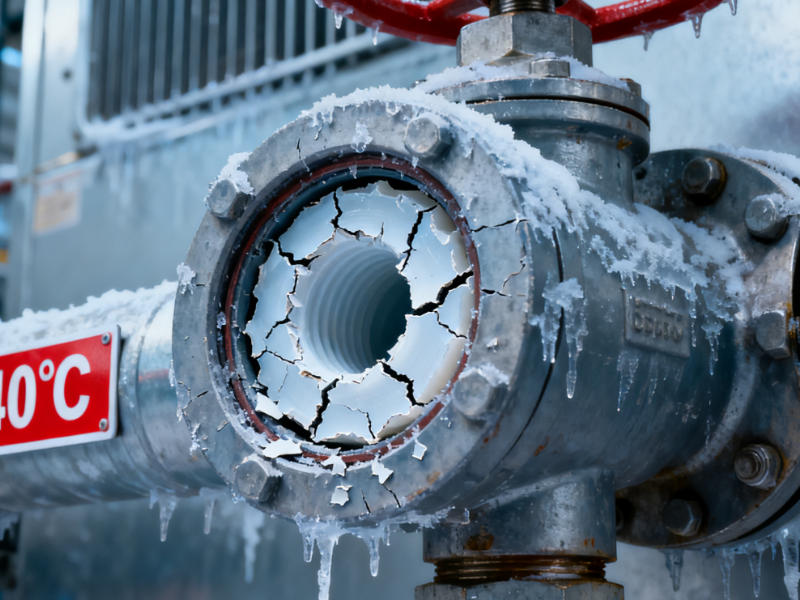
Cryogenic valves serve several critical functions in low-temperature systems:
Flow Control: Regulating the flow of LNG, liquefied CO₂, or refrigerated liquids.
Isolation: Allowing safe shutdown of process lines for maintenance or emergencies.
Safety Assurance: Preventing leaks and controlling overpressure in pipelines.
Process Efficiency: Maintaining consistent temperature and pressure conditions to ensure product quality.
The extreme cold in LNG and cold chain systems presents unique challenges, such as material brittleness, thermal contraction, and seal integrity, making cryogenic valve selection and maintenance critical.
When selecting valves for low-temperature environments, several factors must be considered:
Cryogenic valves must withstand extremely low temperatures without losing mechanical strength. Materials like stainless steel, carbon steel with special alloys, and aluminum are commonly used. Elastomeric seals are replaced with materials such as PTFE, PCTFE, or metal-to-metal seals for reliability.
Low-temperature processes often involve high-pressure storage or transportation. Valves must meet ASME or API pressure rating standards suitable for LNG or refrigerated liquids.
Valve type and size should match the process flow rate to minimize pressure drop and maintain efficient operation. Proper sizing is especially important in cryogenic pipelines where liquid density and viscosity vary significantly.
Emergency shutoff capabilities and fail-safe designs are essential. Valves must maintain integrity under sudden temperature changes and pressure surges.
Different applications in LNG and cold chain industries require specific valve types:
Cryogenic ball valves are ideal for isolation in pipelines. They provide tight sealing and low torque operation, suitable for high-pressure LNG transfer and storage systems.
Cryogenic globe valves allow precise flow control. They are often used in metering or process control applications where accurate regulation is critical.
Cryogenic gate valves are used for on/off control in large-diameter pipelines. Their simple design ensures minimal pressure drop and reliable isolation.
Cryogenic check valves prevent backflow of liquefied gases, protecting pumps and equipment from damage during startup or shutdown.
Material selection is crucial for performance and safety:
Stainless Steel (SS304, SS316): Excellent corrosion resistance and toughness at low temperatures.
Carbon Steel with Nickel Alloy: Enhanced toughness for extremely low temperatures.
Aluminum and Bronze: Used in specific applications requiring lightweight or corrosion-resistant solutions.
Seal Materials: PTFE, PCTFE, and metal seals prevent leakage and maintain integrity under extreme cold.
Material choice affects thermal contraction, durability, and maintenance frequency. Valves should be designed to handle repeated temperature cycling without deformation.
Proper installation and usage extend valve life and ensure safety:
Orientation: Follow manufacturer recommendations to prevent stress on stems and seals.
Thermal Insulation: Insulate pipelines and valves to minimize heat ingress and prevent frost formation.
Slow Operation: Open and close valves slowly to reduce thermal shock and prevent damage.
Lubrication: Use cryogenic-compatible lubricants to maintain smooth operation of moving parts.
Support Structures: Use proper support to accommodate thermal contraction and prevent pipeline strain.
Cryogenic valves require routine maintenance to ensure reliability:
Regular Inspection: Check for leaks, seal wear, and stem movement.
Seal Replacement: Replace seals at recommended intervals to prevent leaks.
Actuator Checks: Inspect actuators for responsiveness, especially in automated systems.
Corrosion Monitoring: Monitor material surfaces for pitting or stress corrosion cracking.
Documentation: Maintain detailed records of inspections, maintenance, and replacements to ensure compliance with safety standards.
Safety is paramount in low-temperature applications:
Emergency Shutoff Valves: Ensure they are functional and can operate under full cryogenic conditions.
Pressure Relief Systems: Check relief valves regularly to prevent overpressure incidents.
Training: Operators should understand cryogenic valve operation, safety protocols, and emergency procedures.
Protective Equipment: Personnel handling cryogenic valves should use insulated gloves, face shields, and protective clothing.
Cryogenic valves are essential for safe and efficient operation in LNG and cold chain industries. Proper selection, installation, operation, and maintenance are critical to handling extreme low temperatures and high pressures. By considering temperature and pressure ratings, material selection, valve type, and safety features, industries can ensure reliable performance, minimize downtime, and maintain product quality.Investing in high-quality cryogenic valves, following manufacturer guidelines, and implementing routine maintenance programs ensures operational efficiency and safety in the most demanding low-temperature applications.To learn more information about industrial valves,you can visit our website:www.bjafatech.com,and contact us by +86-18611864848 or banmy@bjafatech.com.


