
Author: Site Editor Publish Time: 2026-04-08 Origin: Site


Quick-opening blind plates are essential components in industrial systems, particularly in applications that require temporary sealing or protection. These plates, used in piping systems, electrical enclosures, and machinery, help to prevent leaks, protect against environmental factors, and ensure safe operations. As industries continue to evolve, so too do the technologies behind these plates. In this article, we will explore the latest innovations in quick-opening blind platesand the development trends shaping their future.
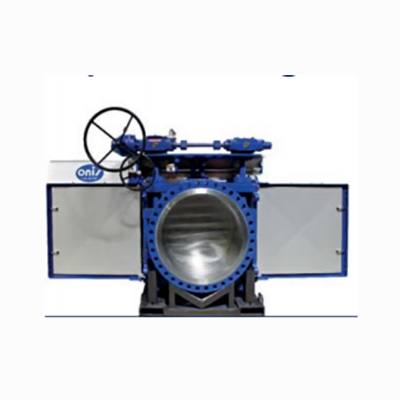
Quick-opening blind plates have come a long way since their initial introduction. Traditionally, they were simple, manual devices used to block or seal off openings in piping or equipment. Over time, as industries faced more complex challenges and higher safety standards, the design and functionality of these blind plates have evolved.
The key to innovation in quick-opening blind plates lies in improving ease of use, durability, and safety. New technologies have made it possible to create blind plates that are not only faster and easier to operate but also more reliable in critical conditions. This trend is expected to continue as the demand for higher-performance systems grows.
One of the most significant trends in the development of quick-opening blind plates is the integration of smart technology. With the rise of the Internet of Things (IoT) and Industry 4.0, more blind plates are being designed with sensors and smart controls that allow operators to monitor their condition remotely.
These smart blind plates can provide real-time feedback on pressure, temperature, and potential wear and tear, offering invaluable data for predictive maintenance. This technology helps prevent unexpected failures, reduces downtime, and improves the overall efficiency of industrial systems.
For instance, some modern quick-opening blind plates are now equipped with sensors that can detect small leaks or corrosion before they escalate into significant issues. This early warning system can trigger automatic alerts to maintenance teams, allowing them to take preventative action without the need for manual inspections.
Another key area of innovation is in the materials used for quick-opening blind plates. Advances in metallurgy and material science have led to the development of more durable, corrosion-resistant, and temperature-resistant materials. This is crucial for applications in harsh environments, such as in chemical processing plants, oil rigs, or high-temperature manufacturing systems.
Materials like advanced alloys, stainless steel, and high-performance composites are becoming increasingly common in the construction of blind plates. These materials not only offer enhanced resistance to corrosion and wear but also improve the longevity of the plates, ensuring they remain effective over long periods of use.
Moreover, the development of more lightweight yet robust materials has enabled manufacturers to create quick-opening blind platesthat are easier to handle and install, especially in large industrial settings.
Automation is another emerging trend in the quick-opening blind plate industry. Traditionally, these plates required manual labor to open or close them. However, recent innovations have introduced self-opening mechanisms that allow the plates to operate with minimal human intervention.
For instance, automated quick-opening blind plates now feature hydraulic or pneumatic systems that allow them to open or close with a push of a button or remotely. These automated systems are designed to handle high-pressure environments, providing both safety and convenience. In critical applications where rapid access is needed, such as in oil and gas facilities, this automation reduces the risk of human error and improves operational efficiency.
In addition to self-opening mechanisms, some blind plates now come with integrated locking systems that ensure a secure, leak-proof seal once closed. This feature is particularly important in applications where pressure or contamination risks are high.
Sustainability is becoming an increasingly important factor in industrial design, and quick-opening blind plates are no exception. The push toward more eco-friendly solutions has led to innovations in the materials and manufacturing processes used to create these plates.
Manufacturers are now focusing on producing blind plates that have a smaller environmental footprint. For example, the use of recyclable materials is on the rise, and some manufacturers are exploring energy-efficient production methods to minimize the impact on the environment.
Moreover, the development of longer-lasting blind plates reduces the need for frequent replacements, contributing to lower waste generation. These sustainability efforts are helping industries meet stricter environmental regulations while maintaining high-performance standards.
As industries become more specialized, there is a growing demand for customized quick-opening blind plates. These plates are now being designed to fit specific system requirements, whether it’s for high-pressure pipelines, low-temperature storage tanks, or complex electrical enclosures.
Customization can include various features such as non-standard sizes, unique sealing materials, or specialized locking mechanisms. Manufacturers are increasingly offering tailored solutions to meet the precise needs of different industries, ensuring that quick-opening blind plates provide the best performance in each unique application.
The future of quick-opening blind plateslooks promising, with continued advancements in materials, automation, and smart technologies. As industries push the boundaries of efficiency and safety, blind plate manufacturers are continuously developing more advanced solutions that meet these evolving needs.
We can expect to see further improvements in automation, making blind plates even easier to operate and maintain. Additionally, the integration of AI and machine learning could allow blind plates to predict failures more accurately, revolutionizing predictive maintenance strategies across industries.
In conclusion, the quick-opening blind plate industry is undergoing significant transformation, driven by advancements in materials, automation, and smart technology. These innovations are making blind plates more reliable, efficient, and sustainable than ever before. Whether you need a quick-opening blind plate for a high-pressure system, a corrosion-resistant material for harsh environments, or an automated solution for seamless operation, there is a cutting-edge product designed to meet your needs.
By embracing these innovations, industries can enhance the safety, reliability, and efficiency of their systems, reducing downtime and maintenance costs. As technology continues to evolve, we can look forward to even more advanced and customized quick-opening blind plates in the years to come.
If you’re looking for high-performance quick-opening blind plates, explore our wide range of innovative products designed to meet the specific needs of your industry. Get in touch with us by +86-18611864848 and banmy@bjafatech.com today to learn more about our customized solutions and how they can benefit your operations.Our website is www.bjafatech.com.


